Soviet Era Nuclear Submarine Leaking Radiation At 1,600 Metre Depth In Norwegian Sea

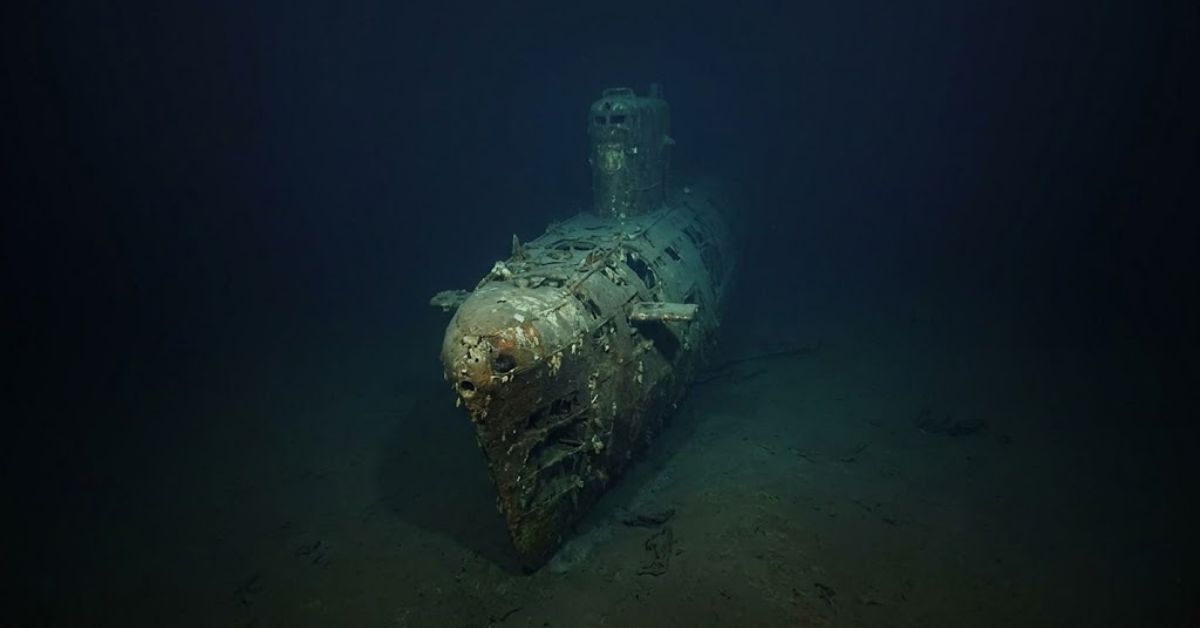
A Soviet-era submarine, the K-278 Komsomolets, which sank in 1989 after suffering from a fire, is leaking radioactive material into the Norwegian Sea.
It rests at a depth of 1680 m, making it one of the deepest and most challenging radioactive wrecks to study.
The site was closely monitored from the 1990s, and a survey was conducted in 2019 using a remotely operated underwater vehicle that brought back samples and assessed the damage.
Per researchers, the leaks are not continuous, but rather sporadic and occur from some parts of the hull, particularly near the reactor and the ventilation pipe.
The submarine has a nuclear reactor and 2 nuclear torpedoes, and while the latter are sealed, the condition of the reactor compartment has worsened, resulting in the slow release of radioactive material.
Underwater inspections and analysis revealed high concentrations of radioactive isotopes in the submarine’s immediate vicinity; however, these levels drop considerably within a short distance.
It was also discovered that the nuclear fuel in the reactor is slowly corroding, per Norwegian radiation safety authorities and marine researchers.
However, scientists have not found radioactive contamination within the broader marine ecosystem and samples taken from corals, anemones and sponges, thriving around the submarine, suggest slightly higher levels of caesium and no signs of major damage.
Though the present environmental impact is limited, the condition of the submarine is expected to worsen over time, increasing the possibility of more substantial radioactive leaks.
The submarine is a significant case study to understand the long-term risks posed by sunken nuclear vessels, especially in delicate marine environments where recovery operations are not easy.
Want to read more?
Check out the full article on the original site