Laura Colby: Mastering the middle ground of performing arts management
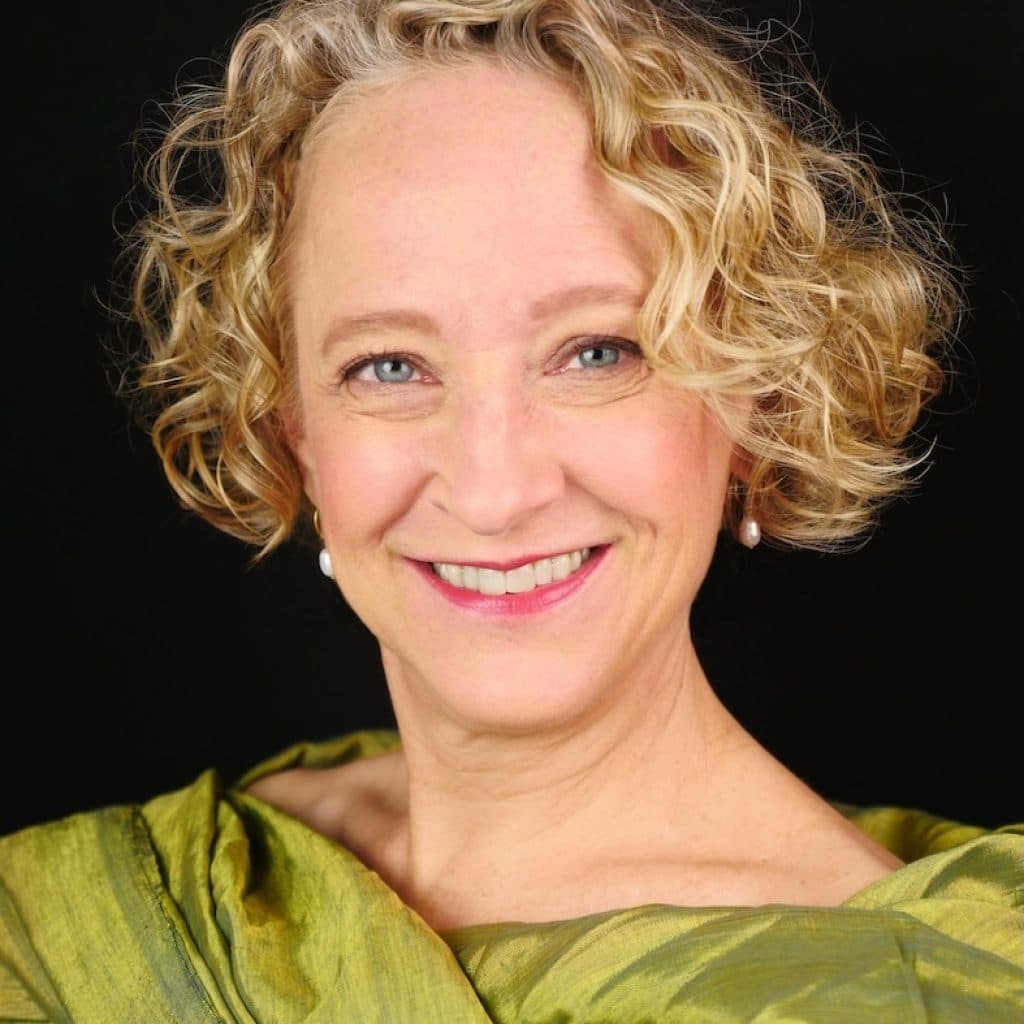
Elsie Management was founded in 1995 by Laura Colby, a Juilliard graduate and professional dancer-turned-arts-administrator. Her career shift took root while assisting choreographer Mark Haim with administrative work in the ’80s. Growing tired of hearing choreographer friends complain about lack of representation at the annual Association of Performing Arts Professionals (APAP) conference, Colby created Elsie specifically to help them get seen. What started as a modest roster of 14 contemporary dance companies has grown over three decades to include international dance, contemporary theater, puppetry, new circus and outdoor spectacle.
Dance Informa recently spoke with Colby to hear more about building Elsie from the ground up, the practical insights from Elsie’s 30th anniversary podcast The Middle Woman, and the hopes Colby has for the future of performing arts management.
Elsie’s initial roster began expanding beyond contemporary dance, simply out of a need for dance representation. Colby shares, “In those very early days, because there’s not a ton of dance representation, the phone would ring and it would be a call from what we consider established touring companies. I got calls from the likes of Dance Brazil and Noche Flamenca, and that changed everything. All of a sudden, I’m representing a company that has been touring in North America for 10 years. That opened more doors for me.”
Elsie’s team now includes Anna Amadei and Jimena Alviar. Colby credits these additions to why Elsie Management looks the way it does today. “Anna entered my life in the spring of 2008, and Jimena started working for Elsie in 2016. Anna was born in Italy, and has been instrumental in bringing the Italian companies to our roster, but also just in bringing another opinion and set of eyes to the room,” shares Colby. “Jimena comes from Bogota, and she and Anna both knew Rafael Palacios, the Artistic Director of Sankofa Danzafro in Colombia. It turned out the programmer at the Joyce Theater had been trying to bring this company to New York for years. Our first season for Sankofa Danzafro had a week at the Joyce Theater. These relationships with Jimena and Anna have been critical to how our roster looks.”
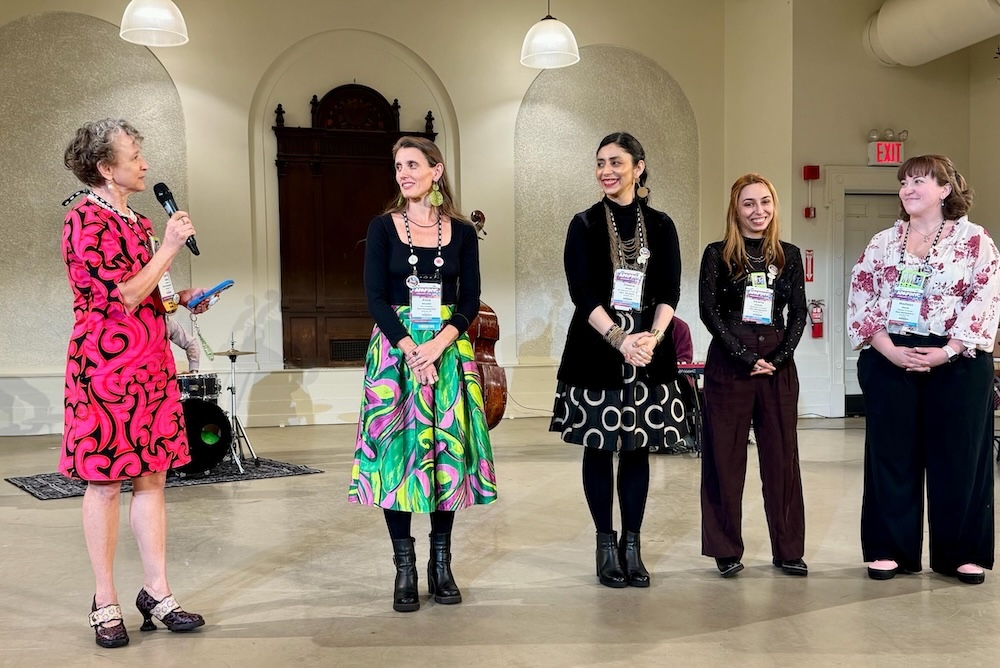
Upon Elsie’s 30th Anniversary, Colby and the team wanted to take stock of where they were. It was Alviar who introduced the idea of making a podcast: a 30-episode toolbox for aspiring performing arts management workers. Colby had been speaking for years at professional development events. As the events kept coming, Colby started keeping files on what she was teaching – a lot of which involved technical topics such as insurance, work visas and taxes. Additionally, Colby served on several boards, an experience she credits as instrumental to her own professional development.
Colby shares, “The 30 episodes are really a brain dump from all of the learning that I collected just from doing the work and learning as I went. The hands-on experience is very different than the academic experience of an arts management program.”
When brainstorming names, The Middle Woman became the clear winner. Colby says, “It was a team effort – me, Anna, Jimena and our intern at the time Madison Doyle who produced the podcast. We all put our heads together and came up with The Middle Woman, because we are that service of the artist, that’s who we have our contracts with, and then we have all of these relationships with presenters. We are right in the middle of the two.”
With 30 years of experience on her side, narrowing down topics for podcast episodes proved to be challenging, but Colby shares her ability to adapt and change helped in that process. “The whiteboard was a great catch-all for ideas. We had a working list, and it absolutely changed. We definitely had more than 30 episodes, but a lot of it came down to my job is really real, and it was big task for me to record two episodes a month for all of those months.”
An exciting bonus from launching The Middle Woman is that Colby will soon be a published author. “These episodes have written the book that’s going to be published. Madison sent out several applications to publishers, and one of them wrote back and said ‘This is exactly what we’re looking for!’ Routledge is an educational publisher from the 1800s, and they have a very niche thing with arts administration. The book will be published this spring, and is called A Roadmap to Managing Performing Arts.”
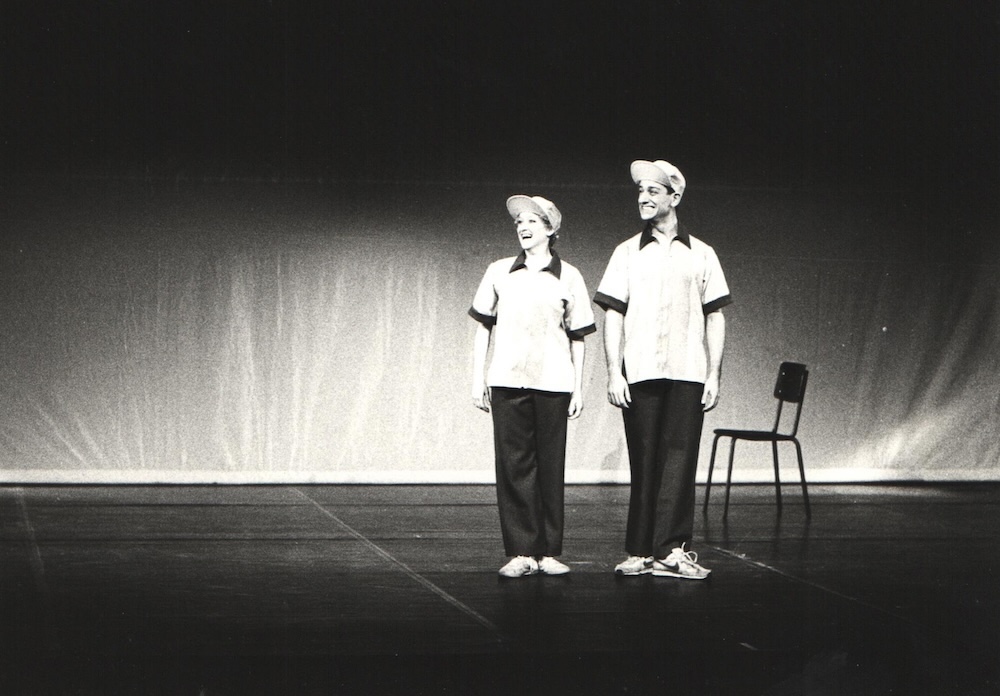
When asked about necessary skills in arts administration, Colby touched on several. “Number one is being able to track a lot of things at once. But apart from that, it’s listening. I do a lot of synthesis. I sit with the artist and get them to talk about their work and say, ‘Okay, this is what I’m hearing, but also, this is what I saw and experienced. Here’s what Anna’s experience was. So, we’re going to propose the following language based on what we just experienced.’ Those team discussions are some of my favorites. One thing I stress in the podcast: avoid dance-speak. If you can’t describe your work to your UPS man, rework your language. Listening and giving clear feedback is essential.”
Colby also shared the importance of being able to work in draft form – because your artist will change their mind, and the show will change, too. Alongside those changes, Colby emphasized the importance of clear communication to the artist, letting them know that certain artistic choices may result in fewer venues their work will fit in.
“I am a massive filter. It goes both ways,” Colby says. “I’ve curated a very specific roster based on my aesthetic that most of my programmers really understand now. And my artists know I’m not going to lie to them.”
Looking toward the future, Colby shares her hopes for the next generation of arts administrators. “I hope they receive the passion. I feel so blessed that I get to spend my days doing nothing but promoting this extraordinary work of the artists I have the privilege to represent. It’s really great to wake up every morning and love what you’re doing, no matter how hard it is, because this is not easy. It is a very thankless job. But we as a team were very motivated to make sure the listeners understood all these different roles exist. We really wanted to reveal these roles because they can be so hidden.”
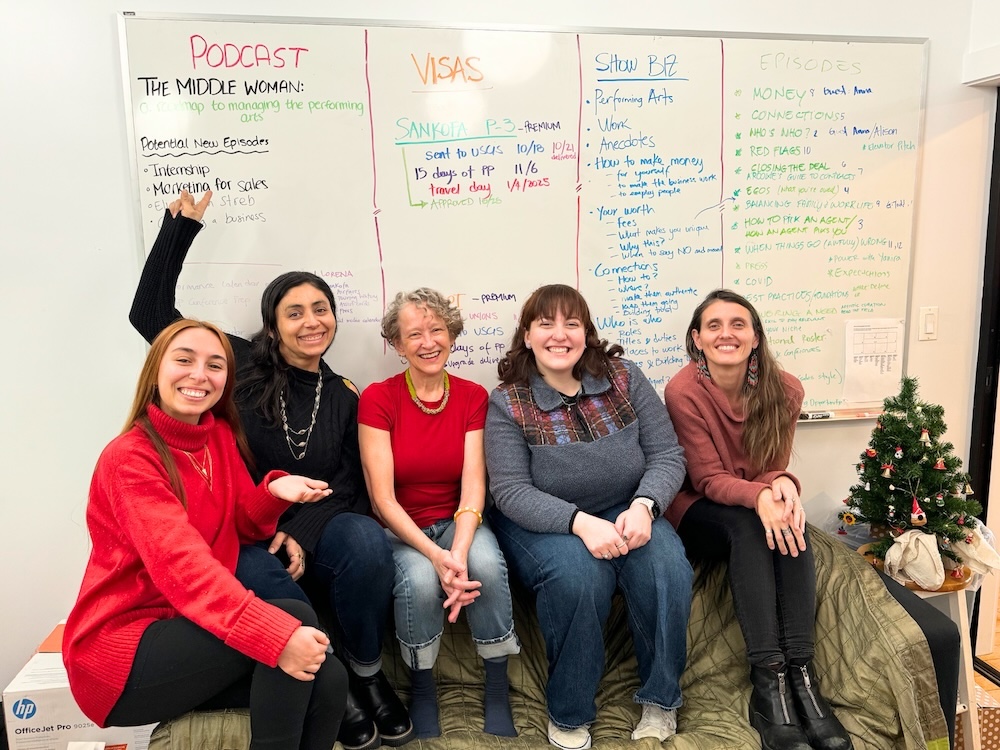
She continues, “One of the things we talk about on the podcast is the importance of multi-generational relationships. I love that Anna and Jimena are 20 years younger than me, and our interns are 20 years younger than them. It’s really important to have 20-year-olds in the room. I have nothing but hope for them.”
Looking forward, Colby plans to step back eventually – perhaps pursuing a PhD in the Impact of International Cultural Exchange – while continuing to see shows, ideally as an enraptured audience member rather than an arts administrator always seeking new artists to represent.
As the conversation came to a close, Colby concludes, “You can make your own space in the field. If you’ve been trying to get presented at the Joyce Theater for 15 years and it hasn’t happened – change your goal and stop making that your answer and make your own. You have to make a place for yourself.”
To learn more about Elsie Management, visit elsieman.org or follow on Instagram @elsiemgmt. The Middle Woman is available on all podcast streaming services. An advance buy-list for A Roadmap to Managing Performing Arts can be found on Elsie’s website.
By Melody McTier Thomason of Dance Informa.
The post Laura Colby: Mastering the middle ground of performing arts management appeared first on Dance Informa Magazine.
Want to read more?
Check out the full article on the original site