Iraq-Linked Tanker Carrying 1 Million Barrels Of Oil Transits Strait Of Hormuz After Iran Grants Rare Exemption
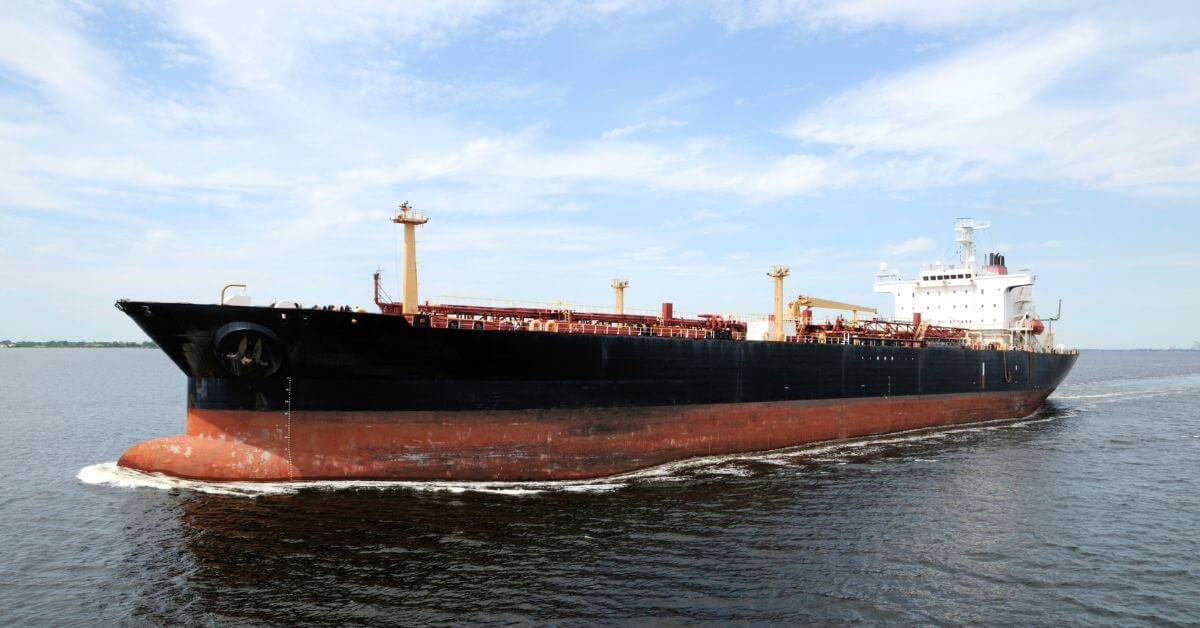
An oil tanker carrying Iraqi crude has passed through the Strait of Hormuz, according to vessel-tracking data from LSEG and Kpler, a day after Iran said Iraq would be exempt from its transit restrictions.
The tanker, Ocean Thunder, sailed close to the Iranian coast while crossing the strait. It had loaded about 1 million barrels of Basrah Heavy crude on 2 March and is expected to discharge the cargo in Pengerang, Malaysia, by mid-April.
Iran had earlier tightened control over the Strait of Hormuz after US and Israeli airstrikes on its territory in late February increased tensions in the region.
The waterway, which carries about a fifth of global oil and liquefied natural gas, saw a sharp drop in ship movements following the escalation.
Tehran later said it would allow vessels without US or Israeli links to pass. It then confirmed that Iraq would be exempt from the restrictions.
Following this, Ocean Thunder exited the Persian Gulf through a northerly route inside Iranian waters on Sunday morning, according to vessel-tracking data compiled by Bloomberg.
The tanker moved through a narrow passage between the Iranian islands of Qeshm and Larak. Iran has been directing ships to use this route and has set up tighter control over movements, including what has been described as a tolling system.
Ship traffic in the strait has started to increase slightly in recent days. Data shows 16 vessels crossed the route since Saturday morning, with 11 leaving the Gulf and five entering. Even so, the numbers remain far below normal levels seen before the conflict.
Recent crossings have included three Omani-operated tankers, a French-owned container ship and a Japanese gas carrier.
It is still unclear whether the exemption for Iraq will apply to all ships loading from Iraqi ports or how it will be implemented.
If applied broadly, it could allow around 3 million barrels per day of Iraqi oil exports to move through the strait, provided shipowners are willing to send vessels into the region.
Over the weekend, outbound traffic included five bulk carriers and three oil product tankers on Saturday, followed by two oil tankers and a liquefied petroleum gas carrier on Sunday.
Some of the bulk carriers had sailed from Iranian ports, with two indicating they were carrying food cargo.
Other vessels, including the products tanker Ratta and LPG carrier Green Asha, also used the same Iranian route while exiting the Gulf.
Two small Indian cargo vessels were also seen leaving along the coast of Oman, although they were not included in official transit counts due to missing identification numbers.
Inbound traffic included a chemical tanker, an LPG tanker, two bulk carriers and a container ship. Some of these vessels were linked to Iran and are under US sanctions. Several ships entering the Gulf were also observed using the Iranian route.
Tracking ship movements in the area remains difficult. Electronic interference has affected vessel signals, and some ships have switched off their AIS transponders due to security risks, which can delay or reduce the accuracy of available data.
References: Reuters, Bloomberg
Want to read more?
Check out the full article on the original site