Iran Allows Iraqi Ships To Cross The Strait Of Hormuz, Offering Some Relief To Global Oil Trade
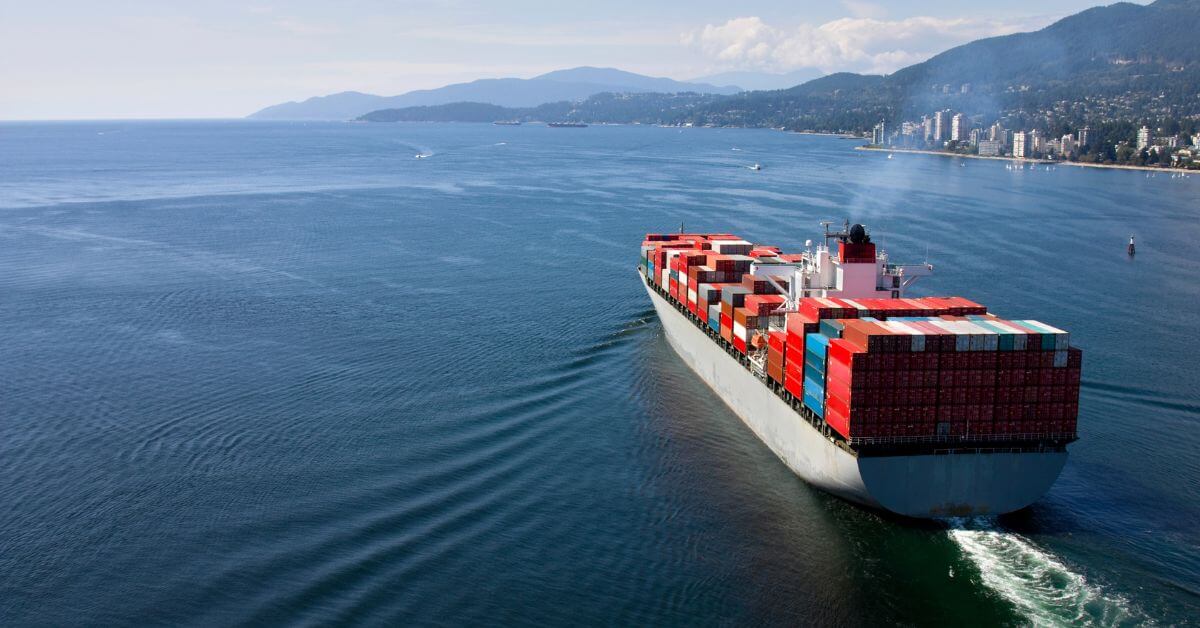
Iran has said that Iraqi ships will be allowed to pass through the Strait of Hormuz, easing some of the restrictions that have disrupted global oil flows for weeks.
The Iranian military stated that Iraq is exempt from all restrictions in the strait, calling it a “brotherly” nation. The message was delivered in Arabic through state media, where officials also praised Iraq’s stance during the ongoing conflict.
The decision could allow up to 3 million barrels per day of Iraqi oil to move again through the waterway. However, an Iraqi official said the impact will depend on whether shipping companies are ready to send tankers into the region, which is still seen as high risk.
It is not yet clear whether the exemption applies to all Iraqi oil shipments or only to Iraqi-flagged vessels. There is also no clarity on how the rule will be implemented on the ground.
Shipping activity in the strait has increased slightly in recent days. A French container ship and a Japanese-owned LNG tanker have crossed the waterway, marking some of the first such movements linked to Western countries since the conflict began. Still, overall traffic remains very low compared to normal levels.
Before the conflict, nearly one-fifth of the world’s oil and liquefied natural gas passed through the Strait of Hormuz. Now, transits are still down by more than 90 per cent, even though weekly movements have risen to 53 ships from 36 the previous week.
Iran has effectively controlled access to the strait since the war involving the United States and Israel began on February 28. Some ships have managed to pass after negotiating safe transit, but the system remains uncertain.
Exports dropped by about 97 per cent in March to around 99,000 barrels per day. With the main export route blocked, Iraq has been relying on a pipeline through Turkey to the Mediterranean port of Ceyhan, which cannot handle full volumes.
Oil production in Iraq has also fallen sharply, from about 4.3 million barrels per day to around 1.2 million barrels per day, according to official figures.
Even with Iran’s latest move, there are still challenges. It is unclear how quickly Iraq can increase production again, and there are concerns about the availability of tankers after weeks of disruption. Shipowners remain cautious about entering the area.
Iran’s statement also made a clear distinction between Iraq and what it called “hostile” countries, which it says are still restricted from using the strait. Officials thanked Iraq publicly and highlighted the relationship between the two countries.
Despite a history of conflict in the 1980s, Iran and Iraq have built closer ties over the years. Iraq relies on Iran for natural gas, and Iraqi militias are seen as part of Iran’s wider regional network.
Brent crude prices have stayed above $109 per barrel, and there are concerns that prices could rise further if the strait does not return to normal operations.
References: Bloomberg, Al Jazeera
Want to read more?
Check out the full article on the original site